 By Henry James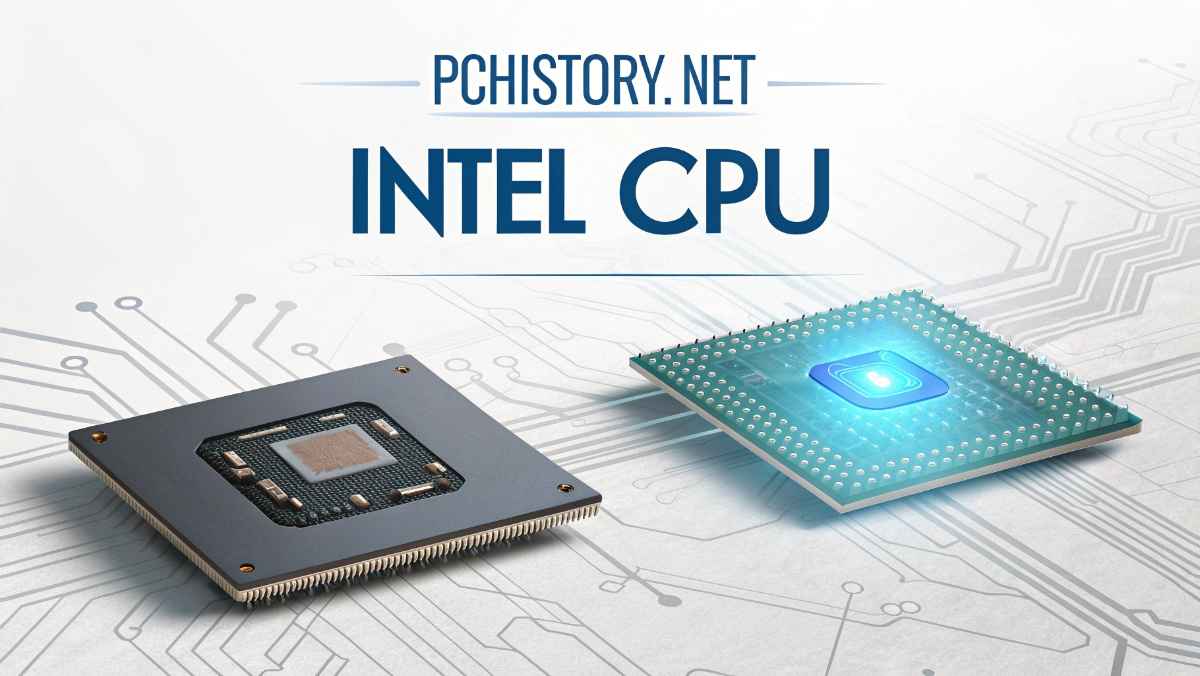
When people talk about computers, one of the most important parts they mention is the CPU. CPU stands for Central Processing Unit. It is often called the “brain” of a computer. Without it, your computer cannot run programs, games, or even basic tasks.
In this article, we will talk about Intel CPUs and how websites like Pchistory.net help people understand their history. We will use simple English so anyone can understand, even if you are new to computers.
An Intel CPU is a processor made by Intel. Intel is one of the biggest and most famous companies that make computer processors.
The CPU does all the thinking work inside your computer. It handles:
- Opening apps
- Running games
- Processing data
- Managing system tasks
Think of it like your brain. The faster and smarter your brain is, the better you can do tasks. The same idea works for CPUs.
Pchistory.net is a website that shares information about old computers, processors, and hardware. It is useful for:
- Learning about early CPUs
- Understanding how technology improved over time
- Comparing old and new processors
If you want to know how Intel CPUs started and how they changed, this kind of website is very helpful.
Intel started making processors many years ago. One of the first famous CPUs was the Intel 4004.
- One of the first microprocessors
- Very slow by today’s standards
- Used in simple machines
After that, Intel kept improving its processors step by step.
- Started the x86 architecture
- This design is still used today
These early CPUs were simple, but they built the base for modern computers.
Over time, Intel made better CPUs with more speed and power.
The Intel Pentium became very popular in the 1990s.
- Faster performance
- Better for home computers
- Used for games and software
Many people remember Pentium computers as their first PC.
Today, Intel makes different types of CPUs for different users.
The most common CPUs today are from the Intel Core series.
They include:
- Core i3 – Basic use
- Core i5 – Balanced performance
- Core i7 – High performance
- Core i9 – Very powerful
These CPUs are used in laptops and desktops.
A CPU works by following instructions. These instructions come from software.
Main parts of a CPU include:
- Cores – Do the main work
- Threads – Handle multiple tasks
- Cache – Stores quick data
- Clock Speed – Measures how fast it works
For example, a CPU with more cores can do more tasks at the same time.
Intel CPUs are widely used for many reasons:
They can handle heavy tasks like gaming, editing, and programming.
Most software works well with Intel processors.
Intel has been in the market for a long time.
The main competitor of Intel is AMD.
- Strong single-core performance
- Stable and reliable
- Often cheaper
- More cores at lower price
Both brands are good. The choice depends on your needs.
If you look at data from sites like Pchistory.net, you can see big changes:
Old CPUs were very slow. Modern CPUs are thousands of times faster.
Early CPUs had only 1 core. Now CPUs can have 16 or more.
New CPUs use less power and produce less heat.
Intel releases CPUs in generations.
For example:
- 8th Gen
- 10th Gen
- 12th Gen
- 14th Gen
Each new generation brings:
- Better speed
- Improved power use
- New features
Intel CPUs are used in many devices:
- Desktop computers
- Laptops
- Servers
- Workstations
They are also used in offices, homes, and data centers.
Gamers often choose Intel CPUs because of:
- High clock speed
- Smooth gameplay
- Strong performance in many games
Core i5 and Core i7 are popular choices for gaming setups.
For normal use like browsing, watching videos, and office work:
- Core i3 is enough
- Core i5 is better for multitasking
You don’t always need a high-end CPU.
For heavy work like:
- Video editing
- 3D design
- Programming
People prefer Core i7 or Core i9 CPUs.
Here are some easy terms to understand:
Higher means faster processing.
More cores = more tasks at once.
Help handle multitasking.
Faster access to data.
Learning CPU history helps you:
- Understand how far technology has come
- Choose better hardware
- Compare old vs new performance
Websites like Pchistory.net make this learning easy.
Not always. Architecture also matters.
Not true. It depends on your needs.
Both Intel and AMD have strong CPUs.
Here are some simple tips:
- Basic tasks → Core i3
- Gaming → Core i5/i7
- Heavy work → Core i7/i9
Newer generation is usually better.
Don’t overspend if you don’t need extra power.
Intel is working on:
- Faster processors
- Better AI support
- Improved energy efficiency
The future CPUs will be even more powerful and smart.
Intel CPUs have come a long way from simple processors to powerful machines. Thanks to platforms like Pchistory.net, we can see how this journey happened.
If you are building a PC or buying a laptop, understanding Intel CPUs can help you make a better choice. You don’t need to be an expert. Just learn the basics, and you will be fine.
Technology keeps improving every year, and Intel CPUs continue to play a big role in it.